

法国:欧洲桥头堡还是合规试炼场?(上)| 人物·域外观察(中英双语)
发布日期:2026-09-28 浏览次数:45
"人物·域外观察"为QC Global 的国别法律实务专栏。
"People · Overseas Perspectives" is QC Global's country-focused legal practice column.
在本栏目中,我们将邀请本所拥有海外留学、长期域外生活经历的律师,结合自身在地学习与生活经验,深度拆解目标国家的营商环境、外商投资政策、出海机遇、潜在风险及实务落地要点,为中国企业跨境投资与海外经营提供国别参考。
In this column, we invite attorneys at our firm with overseas study or long-term international experience to draw on their first-hand knowledge and examine the target country's business environment, foreign investment policies, opportunities, risks, and practical considerations for Chinese companies pursuing cross-border investment and international operations.
首期栏目,由示范团合伙人陈笑律师为大家带来法国"观察"。陈笑律师2017年曾赴法国交流访学,在巴黎政治大学修读经济法学,并在当地律所合伙人的指导下参与了数个本地项目,对涉法跨境投资有个人独到见解。本篇由其带来中资企业出海法国的专题分享。
In this inaugural edition, Chen Xiao, a partner at the firm, shares her observations on France.In 2017, Chen Xiao traveled to France for an academic visit and studied economic law at Sciences Po in Paris. She also participated in several local projects under the guidance of partners at a French law firm, gaining first-hand experience of cross-border investment and related legal issues. This article examines the opportunities and legal considerations for Chinese companies expanding into France.
欢迎乾成更多具有海外留学或生活经历,或是对特定国家特别关注的小伙伴踊跃投稿!
We welcome contributions from colleagues at Qiancheng Law Firm who have studied or lived abroad or have a particular interest in a specific country.
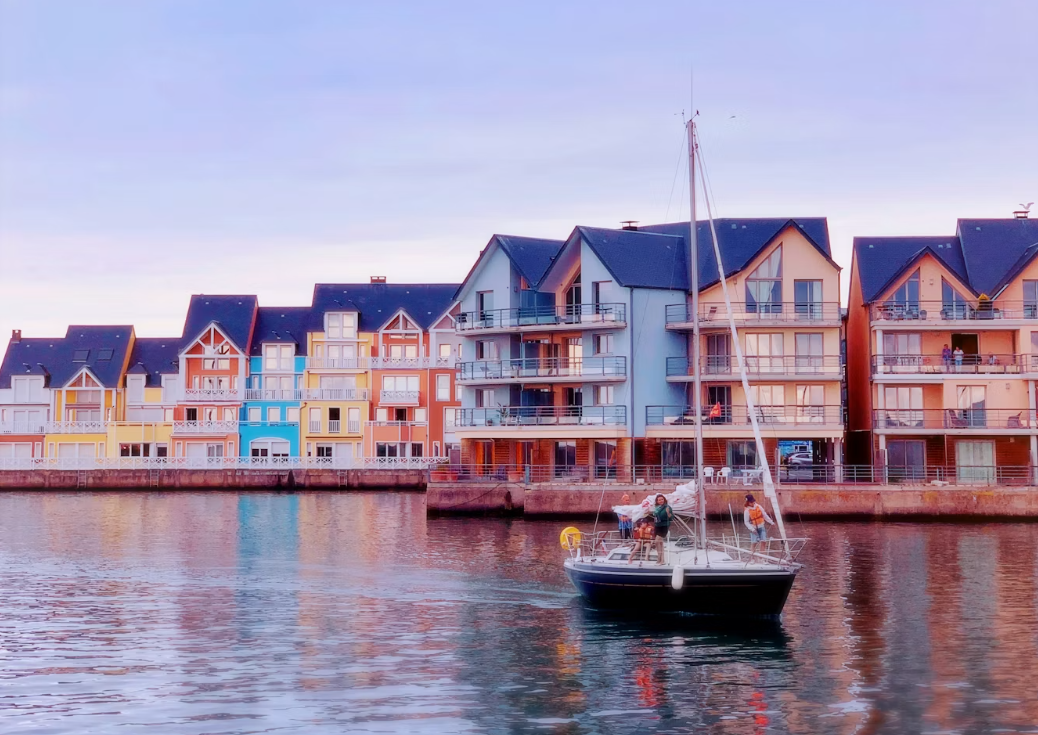
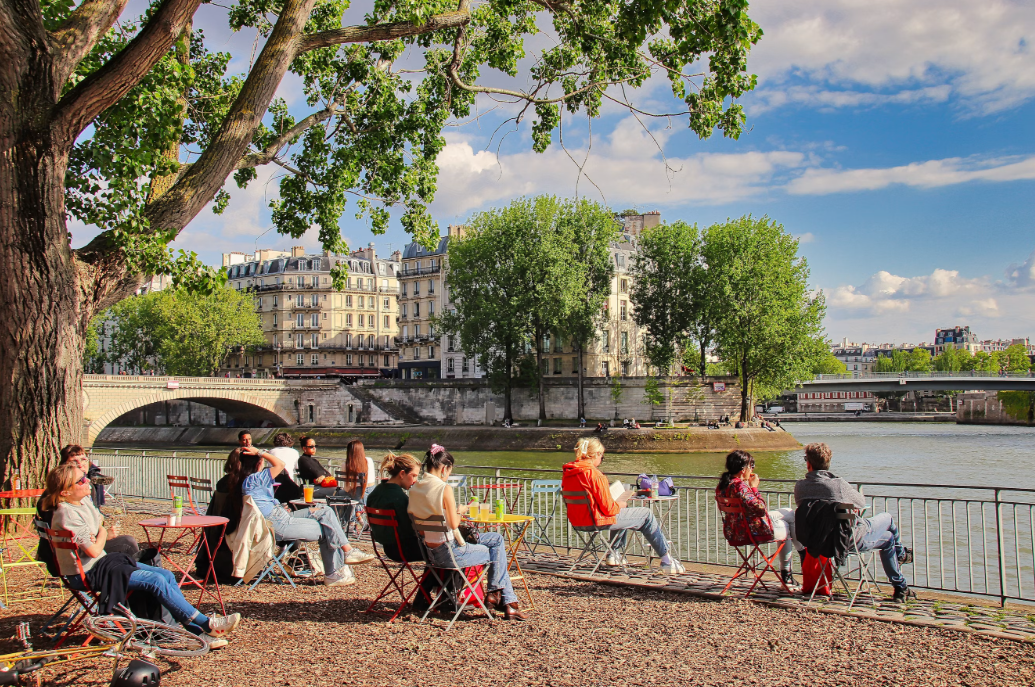
 ▲ 图片为陈笑律师拍摄于巴黎访学期间

目录
1.法国营商环境:优雅外壳下的"强监管内核"
I. France's Business Environment: Strong Regulatory Oversight Beneath an Elegant Exterior
2.外资准入:不是"来不来",而是"先问审不审"
II. Foreign Investment Access: The Question Is Not Whether You Can Enter, but Whether Review Comes First
3.中资出海法国:真正窗口不在塞纳河,而在北部工业带和绿色转型
III. Chinese Investment in France: The Real Opportunity Is Not on the Seine, but in the Northern Industrial Belt and the Green Transition
4.高频法律风险:最贵的不是律师费,而是"没想到"
IV. Common Legal Risks: The Most Expensive Mistake Is the One You Never Saw Coming
5.争议解决:把"打官司"想在前头
V. Dispute Resolution: Think About Litigation Before You Need It
6.亲历观察:在法国做生意,慢是一种制度
VI. First-Hand Observations: In France, Slowness Is Institutionalized
7.如果现在进入法国,建议先回答六个问题
VII. If You Are Entering France Now, Answer These Six Questions First
(文章内容较长,故分为上、下两篇。本期上篇先分享第一至三项的内容,第四至七项将在下篇推送。)
当中国企业谈论"出海欧洲"时,德国往往意味着工业,英国意味着金融,荷兰意味着贸易和物流,而法国,似乎总是首先与奢侈品、葡萄酒和旅游联系在一起。
When Chinese companies talk about expanding into Europe, Germany often brings to mind industry, the UK finance, the Netherlands trade and logistics, while France is often associated first with luxury goods, wine, and tourism.
但如果把视线从消费市场移向产业和投资,法国其实是一个完全不同的国家。
But once the focus shifts from the consumer market to industry and investment, France presents a very different proposition.

它是欧盟第二大经济体、按名义GDP计通常位居世界第七的经济体,人口约6800万,在航空航天、汽车、能源、核电、医药、人工智能、先进制造、奢侈品等领域拥有全球竞争力。近年来,法国更通过"France 2030"等产业政策推动再工业化,积极吸引外国资本进入制造业、绿色产业和前沿科技领域。
France is the EU's second-largest economy and is generally ranked seventh worldwide by nominal GDP. With a population of approximately 68 million, it has globally competitive industries spanning aerospace, automotive, energy, nuclear power, pharmaceuticals, artificial intelligence, advanced manufacturing, and luxury goods. In recent years, France has also pursued reindustrialization through initiatives such as "France 2030," actively seeking foreign investment in manufacturing, green industries, and cutting-edge technologies.
因此,对于正在从"卖产品"走向"投资、并购和本地化经营"的中国企业而言,法国值得重新认识。
For Chinese companies moving beyond selling products to pursuing investment, M&A, and localized operations, France deserves a fresh look.
但它不是一个低门槛市场,而是一个规则密集型市场。真正理解法国,不能只看"欢迎外资"四个字,更要理解法国政府在资本开放与战略安全之间所保持的微妙平衡。
France is not a low-barrier market; it is a highly regulated one. To understand France, it is not enough to focus on the phrase "open to foreign investment." Equally important is the balance the French government seeks to strike between openness to capital and the protection of strategic interests.
01
法国营商环境:
优雅外壳下的"强监管内核"
I. France's Business Environment: Strong Regulatory Oversight Beneath an Elegant Exterior
法国不是小市场。它拥有约6800万人口,消费市场成熟,基础设施世界一流。巴黎不仅是时尚与奢侈品之都,也是欧洲重要的金融、法律和科技创新中心;法国北部、东部传统工业带则在"再工业化"政策下重新升温。
France is not a small market. It has approximately 68 million people, a mature consumer market, and world-class infrastructure. Paris is not only a global center for fashion and luxury; it is also an important European hub for finance, law, and technological innovation. Traditional industrial regions in northern and eastern France are also seeing renewed activity under the reindustrialization agenda.
产业结构上,法国在航空航天、核能、能源、制药、农产品加工、奢侈品、数字经济等领域具有全球竞争力。空客、赛诺菲、欧莱雅、LVMH、施耐德、法国电力等企业构成高端制造与品牌经济的底座。
France is globally competitive in aerospace, nuclear energy, pharmaceuticals, food processing, luxury goods, and the digital economy. Companies such as Airbus, Sanofi, L'Oréal, LVMH, Schneider Electric, and EDF form the backbone of its high-end manufacturing and brand-driven economy.
但法国的商业文化与中国存在明显差异。法国商业文化的关键词不是"灵活",而是"程序"。书面优先、等级清晰、决策链长。法语在法律、行政与工会沟通中仍是不可替代的正式语言。商务关系有用,但必须以合规和程序正义为前提。一次会议聊得好,不等于文件可以不完整。
French business culture differs significantly from China's. The key word is not "flexibility" but "process." Written communications are given priority, hierarchies are clear, and decision-making chains can be lengthy. French remains the principal formal language for legal, administrative, and union communications. Business relationships are valuable, but they must be supported by compliance and proper procedures. A successful meeting does not mean the paperwork can be incomplete.
政企沟通逻辑是"招商友好、监管强硬"。法国商务投资署(Business France)和各大区经济发展局欢迎外国投资,尤其在新能源、工业脱碳、数字技术等领域给予补贴和便利;但一旦涉及外资审查、劳工保护或数据合规,监管机构立场会迅速收紧,极少因为"重大项目"而放松底线。
The government-business relationship can be described as "investment-friendly, but strict on regulation." Business France and regional economic development agencies welcome foreign investment, particularly in new energy, industrial decarbonization, and digital technologies, and may provide grants and other incentives. Once foreign investment review, labor protections, or data compliance come into play, however, regulators can take a much firmer position and are rarely willing to relax core requirements simply because a project is significant.
近三年,法国营商环境出现三个明显变化:
Over the past three years, three developments in France's business environment have been particularly notable:
1).致力于重建工业主权。"France 2030"投资计划于2021年10月启动,预算总额后扩至约540亿欧元(含部分PIA 4未来投资计划承继资金),重点扶持核能、氢能、半导体、电池、健康、数字、农业与脱碳工业。
Rebuilding industrial sovereignty. The "France 2030" investment plan was launched in October 2021 and was later expanded to approximately €54 billion, including successor funding under the PIA 4 future-investment program. It focuses on nuclear power, hydrogen, semiconductors, batteries, healthcare, digital technologies, agriculture, and industrial decarbonization.
2). 通过税收等政策工具推动绿色转型。《绿色产业法案》(Loi Industrie Verte)落地,为电池、光伏、风电、热泵等关键绿色产业链投资提供"绿色产业税收抵免"(C3IV)。
Using tax incentives and other policy tools to drive the green transition. The Green Industry Act (Loi Industrie Verte) introduced the Green Industry Investment Tax Credit (C3IV) for investment in key green-industry supply chains, including batteries, solar photovoltaic, wind power, and heat pumps.
根据2026年财政法案,C3IV标准税率已从20%下调至15%,并结合企业规模与区域援助区(ZAFR)位置形成15%---55%的浮动税率:大型企业在非援助区通常为15%,中小企业在特定援助区最高可达55%。
Under the 2026 Finance Law, the standard C3IV rate has been reduced from 20% to 15%. Depending on the company's size and whether the project is located in a regional aid zone (ZAFR), the rate ranges from 15% to 55%. Large companies outside aid zones generally qualify for 15%, while small and medium-sized businesses in qualifying aid zones may qualify for up to 55%.
抵免上限按项目计算,通常为1.5亿欧元,在特定区域可达2亿---3.5亿欧元。2026年8月,法国政府通过第2026-763号法令将C3IV延长至2028年12月31日。企业须在开工前向法国公共财政总局(DGFiP)申请资格认证(agrément)。
The credit cap is calculated on a project-by-project basis and is generally €150 million, with certain regions allowing amounts of €200 million to €350 million. In August 2026, the C3IV regime was extended through December 31, 2028. Companies must obtain prior approval (agrément) from the French Directorate General of Public Finance (DGFiP) before beginning work.
3). 外资审查持续扩围,敏感行业清单和审查门槛不断趋严,经济主权色彩明显上升。2026年8月17日,第2026-718号法令正式生效,进一步收紧对在非欧盟受监管市场上市的法国敏感行业公司的外资持股通知义务。
Foreign investment review continues to expand, with sensitive-sector lists and review thresholds becoming increasingly stringent, reflecting a stronger focus on economic sovereignty. Decree No. 2026-718, which took effect on August 17, 2026, further tightened notification requirements for foreign investment in French companies in sensitive sectors that are listed on regulated markets outside the EU.
总体看,法国的核心优势是:欧盟单一市场入口、高素质劳动力、完善基础设施和研发税收优惠。短板则是:劳动法刚性、税负高、行政审批慢、工会力量强。对中资而言,法国适合有长期欧洲战略、愿意深耕本地化的企业,不适合追求快速回本、照搬国内用工与行政逻辑的项目。
Overall, France's key strengths are its access to the EU Single Market, highly skilled workforce, strong infrastructure, and R&D tax incentives. Its weaknesses include rigid employment rules, a high tax burden, lengthy administrative procedures, and strong trade-union representation. For Chinese companies, France is well suited to businesses pursuing a long-term European strategy and willing to invest in localization; it is less suitable for projects seeking a quick return or attempting simply to transplant Chinese employment and administrative practices.

02
外资准入:
不是"来不来",而是"先问审不审"
II. Foreign Investment Access: The Question Is Not Whether You Can Enter, but Whether Review Comes First
法国总体上对外国投资保持开放。除媒体等特定行业以及国防、能源、交通、电信、数据、网络安全、关键技术等敏感行业须接受外商投资审查外,法国并不存在针对外国投资者普遍适用的行业负面清单或统一的外资持股比例限制。
France remains broadly open to foreign investment. Certain sectors, including media, and sensitive activities involving defense, energy, transportation, telecommunications, data, cybersecurity, and critical technologies may be subject to foreign investment review. Outside these areas, France generally does not impose a single negative list of sectors or a uniform foreign ownership limit applicable to all foreign investors.
但在上述敏感领域,法国建立了专门的外国投资审查制度(IEF,Contrôle des investissements étrangers)。对于落入审查范围的投资,外国投资者需要在交易完成前取得法国经济财政部门的批准。
In these sensitive areas, however, France has established a dedicated foreign investment review regime (IEF, contrôle des investissements étrangers). For transactions within its scope, the foreign investor must obtain approval from the French Ministry for the Economy and Finance before closing.
触发审查的敏感行业包括但不限于:国防与军民两用、能源、水、交通、电信、公共卫生、食品安全、关键基础设施、人工智能、网络安全、量子技术、生物技术、航天、关键原材料加工、媒体等。
Sensitive sectors include, among others, defense and dual-use activities, energy, water, transportation, telecommunications, public health, food security, critical infrastructure, artificial intelligence, cybersecurity, quantum technologies, biotechnology, space, processing of critical raw materials, and media.
触发条件因投资者身份和交易结构而异。例如:
The applicable thresholds vary depending on the investor's status and the transaction structure. For example:
对于非欧盟/欧洲经济区投资者,收购法国敏感行业上市公司表决权达到10%,通常触发事先通知义务;收购非上市公司表决权达到25%,通常触发审查。
For investors from outside the EU/EEEA, acquiring 10% of the voting rights in a listed French company operating in a sensitive sector will generally trigger a prior notification requirement, while acquiring 25% of the voting rights in an unlisted company will generally trigger review.
对于所有外国投资者(包括欧盟/欧洲经济区投资者),取得控制权或收购企业全部/部分业务分支,通常触发审查。
For all foreign investors, including those from the EU/EEA, the acquisition of control or of all or part of a business line will generally trigger review.
媒体行业另有专门的外资持股限制(1986年8月1日第86-897号法律第7条)。
The media industry is subject to separate foreign ownership restrictions under Article 7 of French Law No. 86-897 of August 1, 1986.
2026年,法国进一步收紧外资审查规则。根据2026年8月2日公布、2026年8月17日正式生效的第2026-718号法令,对于在欧盟以外受监管市场上市的法国敏感行业公司,非欧盟及欧洲经济区投资者取得10%及以上表决权,负有事先向法国经济财政部门进行申报通知的义务;监管机构拥有10个工作日审查窗口期,如未提出异议,交易可以正常交割。
In 2026, France further tightened its foreign investment review rules. Under Decree No. 2026-718, published on August 2, 2026 and effective August 17, 2026, a non-EU/EEA investor acquiring 10% or more of the voting rights in a French company operating in a sensitive sector and listed on a regulated market outside the EU must make a prior notification to the French Ministry for the Economy and Finance. The authorities have a 10-business-day review window; if no objection is raised, the transaction may proceed to closing.
审查并非走过场。初步审查法定上限为30个工作日;若进入第二阶段,两阶段合计最长75个工作日(约3个半月)。加上材料准备、补充说明及承诺谈判,复杂案件可能持续半年甚至更久。法国经济财政部可以批准、附条件批准或否决交易。
Review is not a mere formality. The statutory period for the initial review is up to 30 business days; if the matter proceeds to a second stage, the two stages together may last up to 75 business days, or approximately three and a half months. Once document preparation, requests for supplemental information, and negotiations over undertakings are taken into account, complex matters may take six months or longer. The French Ministry for the Economy and Finance may approve the transaction, approve it subject to conditions, or prohibit it.
根据法国经济财政部《2024年法国外商投资监管年度报告》,在2024年签发的182项FDI批准中,有约99项(54%)附加了条件。项目被否决的情况很少见,但"戴着镣铐跳舞"是常态。常见附加条件包括:保留本地研发、生产或就业,限制敏感数据转移,确保供应链安全等。
According to the French Ministry for the Economy and Finance's 2024 Annual Report on Foreign Investment Control in France, approximately 99 of the 182 FDI approvals issued in 2024 (54%) were subject to conditions.Transaction prohibitions are relatively rare, but approvals subject to conditions are common. Typical conditions include maintaining local R&D, production, or employment; restricting the transfer of sensitive data; and safeguarding supply-chain security.
实操中,中资最容易踩的误区有三个:
In practice, Chinese investors most commonly fall into three traps:
1).认为少数股权投资安全。在敏感行业,10%的上市公司表决权即可触发通知或审查,不是只有控股才审。
Assuming minority investments are safe. In sensitive sectors, 10% of the voting rights in a listed company may be enough to trigger notification or review; control is not the only relevant threshold.
2).认为先交割、后补报。法国外资审查是"交割前"强制程序,未获批准不得完成交易,违反后果可能包括交易无效、罚款,甚至刑事责任。
Assuming the deal can close first and be reported later. French foreign investment review is a mandatory pre-closing procedure. A transaction may not close without approval; violations may result in invalidity of the transaction, fines, and even criminal liability.
3).只看法条,不看审查实践。法国政府对涉及关键技术、数据、就业的外资交易高度敏感,书面政策与实际裁量空间之间存在显著差异。
Looking only at the statute and not at review practice. The French government is highly sensitive to foreign transactions involving critical technologies, data, and employment, and there can be a significant gap between written policy and the regulator's practical discretion.

对中资而言,最稳妥的做法是:在交易结构、持股比例、目标公司业务属性尚未锁定时,先做一次外资审查分类测试。很多交易延误,不是输在法律上,而是输在没有提前预判。
For Chinese investors, the safest approach is to conduct a foreign investment review analysis before the transaction structure, ownership percentage, and target company's business profile are finalized. Many transactions are delayed not because the law prohibits them, but because the review implications were not identified early enough.
03
中资出海法国:
真正窗口不在塞纳河,而在北部工业带和绿色转型
III. Chinese Investment in France: The Real Opportunity Is Not on the Seine, but in the Northern Industrial Belt and the Green Transition
如果今天中资去法国,只盯着巴黎买酒庄、买楼,会错过真正的结构性机会。
If Chinese companies entering France focus only on buying vineyards or real estate in Paris, they may miss the more significant structural opportunities.
法国正在推动"再工业化",重点地区是上法兰西大区(Hauts-de-France)、大东部大区(Grand Est)和奥弗涅-罗讷-阿尔卑斯大区(Auvergne-Rhône-Alpes)。北部港口城市敦刻尔克(Dunkirk)、杜埃(Douai)、瓦朗谢讷(Valenciennes)一带,正在形成欧洲重要的动力电池与电动汽车供应链,被称为"电池谷"(Battery Valley)。
France is pursuing reindustrialization, with key regions including Hauts-de-France, Grand Est, and Auvergne-Rhône-Alpes. Dunkirk and the areas around Douai and Valenciennes are developing into an important European hub for power-battery and electric-vehicle supply chains and are increasingly referred to as the "Battery Valley."
中资在法国的最佳投资方向包括:
Promising investment areas for Chinese companies in France include:
-
新能源与电动车产业链,包括电池材料、电芯、储能系统、充电桩、电池回收以及风电、光伏、氢能设备制造。相关项目若符合条件,可申请C3IV税收抵免(须事先取得DGFiP资格认证),并需关注欧盟《电池法规》下的碳足迹认证和"电池护照"要求。
New energy and the electric-vehicle supply chain, including battery materials, battery cells, energy-storage systems, charging stations, battery recycling, and manufacturing of wind, solar, and hydrogen equipment. Qualifying projects may apply for the C3IV tax credit, subject to prior DGFiP approval, and should also monitor carbon-footprint certification and "battery passport" requirements under the EU Batteries Regulation.
-
航空航天与先进制造供应链,包括复合材料、精密加工、电子元器件、工业软件等。
Aerospace and advanced-manufacturing supply chains, including composite materials, precision machining, electronic components, and industrial software.
-
医药健康与生物科技,包括创新药、医疗器械、数字医疗、老龄化相关解决方案。
Pharmaceuticals, healthcare, and biotechnology, including innovative medicines, medical devices, digital health, and solutions addressing an aging population.
-
人工智能与数字服务,包括企业软件、工业互联网、智慧城市、金融科技。
Artificial intelligence and digital services, including enterprise software, the industrial internet, smart cities, and fintech.
-
消费品与零售品牌合作,包括家电、智能硬件、美妆个护、食品饮料。
Consumer goods and retail brand partnerships, including home appliances, smart hardware, beauty and personal care, and food and beverages.
-
环保与循环经济,包括废弃物处理、资源回收、碳管理、可持续包装。
Environmental protection and the circular economy, including waste treatment, resource recovery, carbon management, and sustainable packaging.
其中,一个容易被忽视的方向是法国中小企业和家族企业(PME/ETI)。法国拥有大量具有技术、品牌和客户资源的中小企业,其中一些企业并不缺少产品和技术,却缺乏进一步国际化和规模化发展的资本。对于拥有供应链、资金和中国市场资源的中国企业而言,这类企业反而可能比大型跨国公司更适合成为并购对象。但需要注意的是,这类交易往往伴随复杂的劳工、税务与继承问题,尽职调查必须格外细致。
One often-overlooked opportunity lies in France's small and medium-sized enterprises and family-owned businesses (PME/ETI). France has a large pool of SMEs with valuable technology, brands, and customer relationships. Some are not short of products or technology, but lack the capital needed to internationalize and scale. For Chinese companies with supply-chain capabilities, capital, and access to the Chinese market, such businesses may be more suitable acquisition targets than large multinational corporations. These transactions, however, often involve complex labor, tax, and succession issues, making thorough due diligence especially important.
大企业可以走绿地建厂或控股并购;中型企业更适合以合资、技术合作、少数股权投资切入;小企业则可通过设立SAS子公司、研发中心或品牌运营中心,以小成本进入法国和欧盟市场。
Large companies can pursue greenfield investments or acquisitions of controlling interests; mid-sized companies may find joint ventures, technology partnerships, and minority investments more suitable entry strategies; smaller businesses can enter France and the EU at lower cost by establishing an SAS subsidiary, R&D center, or brand operations center.
中企的核心优势是制造效率、供应链整合、新能源技术和成本控制。但要转化为法国市场竞争力,必须完成本地化适配:碳足迹、劳工标准、数据合规、知识产权布局,每一项都不能缺位。
Chinese companies' core strengths lie in manufacturing efficiency, supply-chain integration, new-energy technologies, and cost control. To turn those strengths into competitive advantages in France, however, they must localize across carbon-footprint requirements, labor standards, data compliance, and intellectual-property protection.
上篇从法国营商环境的“强监管内核”出发,梳理了外资准入的审查逻辑与中资在法投资的结构性机遇;下篇将聚焦企业注册、劳工、税务、数据与知识产权、跨境交易及反腐败等高频法律风险,并探讨争议解决路径、亲历观察与进入法国前需回答的问题。